
Chapter 3
A little tenderness...

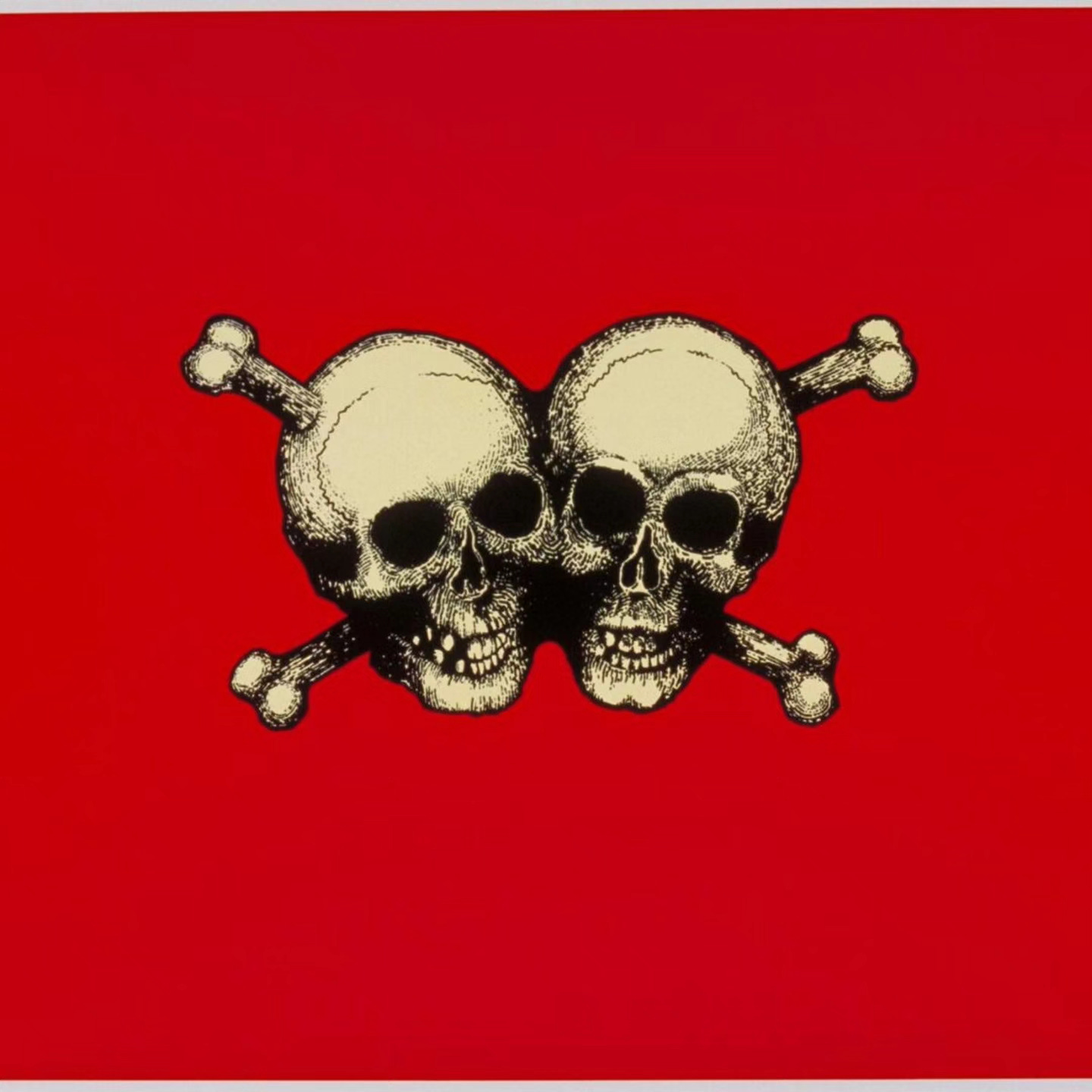
Iram woke late in the afternoon. The sun through the shutters left orange stripes all across the wood paneling of his bedroom, discreetly hiding his built-in cabinets and closets. His dresser and two nightstands ruined the illusion of having no storage furniture in his bedroom. Their clothes from the night before lay scattered around the bed.
He rolled over to shake Willie awake.
“Let me sleep.” Willie groused.
“No. We have work to do,”
“We’ll never be able to focus. It’s better if we try again tomorrow.”
“If we sleep in all day we’ll never get back to normal.” Iram said.
“Good.”
He rolled his eyes and kicked the sheets away. “Anyway, I’m hungry.”
Willie lay stubbornly in bed as Iram got out a robe and fresh underwear before climbing out to join him. “I’m hungry, too.”
The girl left a covered platter on the table full of uneaten leftovers. Vegetables, pickled and fresh, fruit, boiled eggs, cheese, bread, sauces and condiments. Willie brewed the tea as Iram pawed through his bag for Willie's documents.
“Do you want to hear good news or bad news first?” He asked when Willie returned.
He put a cup next to Iram and then circled the table to sit across from him. “Bad news.”
“You’re still legally dead,” Iram said. He took a sip, then added a sugar cube from the covered dish. “Which, in conjunction with Sakina’s court case, means all your property is technically evidence. We’ll have to petition the court to have it returned when the Church is through with it. Almost everything you’ve written in the past five years was taken out of print, and Hakan is giving interviews to condemn your influence.”
“What?” Willie cried.
“He did this the last time you broke up, if you’ll recall,”
“I wasn’t legally dead last time!” Willie cried. “No property, no legal identity under the law, no– Oh, nevermind, give me some good news.”
“Well, to begin, everything you didn’t publish with the Church has seen an increase in sales,” Iram said. “You’re not going to be permanently legally dead, Anil thinks you’ll have full legal rights returned to you in a month or so. You have several very lucrative offers from a few other churches. I highlighted the Covenant of the Harvest as a source of possible interest.”
Willie made a face. “Everyone expects me to do that.”
“Well, think it over.” Iram insisted
He shook his head. “It’s too soon. I’m sorry, Iram, I know the entire world thought my faith was a pose, but it was a pose that saw me spend nearly a decade teaching myself how to think within a framework. I’ll need to work out the emotional toll on my own, but the intellectual labor can’t be overlooked. I can’t switch from one doctrine to another overnight.”
Iram re-organized his papers. “Alright– acting, then.”
“I haven’t done that in years. Aren’t I too old?”
“You’re never too old to play a King. The legal issue makes things a little difficult, but Anil has given me a bunch of legal nonsense that he thinks will make everything temporarily work. The gist of it is that I already act as your representative, so if I accompany you to any contract signing, it’s a legally binding document,”
“Because you’re there. My chaperone. My god, this must be how my mother used to feel.”
“More like your grandmother, but yes.”
“Not necessarily, don’t you remember when the–”
Iram cut him off with a wave of his hand. “Stay on topic.”
Willie stared blindly at the tabletop. His hand groped silently for something. Iram nearly thought he was asking for his hand, until Willie's fingers found a pencil and brought it to his mouth to chew.
"I can't make any decisions immediately. I know how difficult I'm being, and I'm sorry, I promise to recover. In the meantime I'd like to break the work into manageable chunks."
Iram nodded.
The pencil broke between Willie's teeth. He paused to remove the splinters.
"Feel free to book me for interviews-- it's important to make my perspective available to the public if we want to get back on our feet. They'll all view me as the worst example of corruption, and I think I shall give that to them. Engagements, too, if we can manage it-- but keep me informed before you take them. I want to be in an appropriate costume,"
His eyes were not on Iram's face, which meant he wasn't interested in Iram's reaction. Iram sensed a new extreme building like a storm.
"Yes, at the moment there's not much recourse except to become a spectacle. A corrupt priest heralding in the new century. We will follow the path of least resistance until we find something worth sweating over. I was thinking of a new style, darling, what do you think of end of the world imagery?"
Iram looked up at the ceiling for a moment. "I don't know, did we look at any in the museum yesterday?"
"Don't know. Do you remember if we stopped at any depictions of storms, or comets, or floods, or earthquakes? Monsters? Beasts in the sky or sea?"
"Can't remember,"
Willie sighed with disappointment. "Well, disaster leads to change, and no one likes that. We're entering a new century– we should capitalise on people’s anxieties. I think I will make a good, clear point through esotericism."
"Esoterism?" Iram repeated, stalling to catch up with his train of thought. When the pieces lined up, the picture Willie wanted to evoke seemed obvious. "Are you going to start dressing up like a sorcerer?"
"You know, historically those were religious men taking their education on the road."
"That, or charlatans."
"Luckily everyone already thinks I'm a charlatan."
"Well, that brings us to my final point, which is about a number of private individuals who are interested in hiring you for spiritual consultation,"
Willie was quiet for a moment, but Iram could see a faint smile flickered at his lips.
"How many of these people have an elaborate sexual fantasy?"
"More than half of them," Iram admitted. "I can weed them out, if you want,"
“No. Well–” Willie rubbed his eyes. "Once upon a time I would have been flattered, but– well, reality is daunting. What do the rest want?"
"Well, it's not easy to generalize, but if I had to sum it up I would say… legitimate spiritual guidance," Iram said. Willie took a breath to speak, but Iram stopped him with an upraised hand. "Most of them are foreigners."
Willie groaned and covered his eyes again. "Right. I might feel better about being a tour guide than a courtesan. Tally them up for me, won't you? If one of them tries to surprise me with an illicit proposal in a pyramid I want to at least pick my favorite."
***
The next morning, Willie pulled Iram back into bed as he was getting up.
“No,” Iram insisted, climbing back out.
“Why not?” Willie complained.
“I have to go to work,” Iram said.
“I’m the boss, I say you should get back into bed,”
“I’m going to oversee the investigation of your library,”
He fell silent. Iram dressed in peace, but when he glanced over he saw that Willie was sitting up in bed.
“Are you getting up? Should I leave you some coffee?” Iram asked.
“I’m not sure. Can you tell Sakina–” he stared at his hands in silence. “Try to get my composition book, and as many manuscripts as they’ll let you leave with. Mine, or others. Of course I trust your judgment, but remember that they’ll be most suspicious of anything hand-written. I need you to be firm and insistent on bringing me my manuscripts, especially the gifts given to me by other writers,”
“You remember that part of the settlement includes surrendering the texts you published with the Church,” Iram said gently.
“I know that, I told you to take what you can get!” Willie cried. “At least try to steal them, Iram, what’s the use of being honest if you’re never dishonest?”
Iram gave him a final smile as he left the room. Willie followed him out a few minutes later in a stolen house robe and sat with him as he had breakfast, reading the newspaper and commenting on what he found. By the time Iram was able to disentangle himself he was late.
Sakina was in the morning room when Iram arrived. Tall, with a piercing stare, she looked even more dramatic than usual in her outfit of high mourning grey. Iram remembered remarking to a friend that Willie, for all his posturing, tended toward lovers with sort of plain features. After talking it over, the friend pointed out that Iram found Willie’s tastes plain because he picked people with similar features. Sakina was not the same color or gender as Iram, nor did she carry herself the same way, but their eyes and nose were set in such a similar way that Iram thought they were neutral.
“You’re late, Mr. Zmarai,” Sakina said, rising to greet him. “The church Fathers are in the library room. They began without you,”
A nervous worrying of her hands, a darting expression up the stairs told him how much she hated this.
He nodded. “Will there be anyone to help, or should I call ahead to hire someone?”
“Hassan is here– but if you think you’ll need more, you’ll have to call someone.”
He climbed the stairs toward the sound of voices on the third floor landing, where he found church Doctors bent over boxes, already packed. They were dressed for physical labor in galabeyas, with the insignia for the Mysteries swinging from their neck or wrists.
“You were supposed to wait for me.” Iram said.
“Are you the man from the estate?” one priest asked, flipping through another book. “We got it ready for you. Go on, check our work.”
Prickling, Iram grabbed the rim of the first box and pushed it inside the library. Then he went back and did the same for the other three. He took a chair and sat in it while he pointedly undid their work, sheet by sheet.The priests watched and said nothing.
The work was slow and tedious. It was not a task for one man, but the number of people trusted to do it were limited. The library wasn’t just a place to keep important texts but also picture books, cookbooks, old scripts with Willie's handwritten notes from fifteen years ago, utopian fiction, gothic novels, detective stories and the entire spectrum of religious texts that Willie kept for intellectual reasons.
Lunchtime came when the priests got hungry. Fragmentary sense memories of meals with the Savages played through Iram's mind. The sound of Willie yelping when he touched something hot, one of the boys screaming because his food wasn’t cut the way he liked, Sakina’s voice getting high and fast when she was happy, guests mixing up their plates, Hakan in the kitchen eating food as it cooked. The oily smell of the house in winter when the windows were closed for months, garlicky baked smells from soft, boiled breads, the brief exploratory period of Southern cooking Sakina went through, followed shortly by Willie's casual interest in what defined 'Traveller cuisine'. Iram remembered Willies' disappointment that all the literature on the subject described fat-rich red meat dishes that used every part of the animal. High-choleric food which suited shepherds and cattle drivers, but left out a specific dish Willie's grandmother used to make with sour green grapes, pecans and sparrows. Lost in his memories Iram wondered if Sakina would mind if he ate at her table. That was followed by a sharp pang of visceral shame. Shaken by his own imaginary audacity, he went down the street and bought a sandwich from a vendor grilling meat over a spitting coal fire. The man soaked the sandwich with three different sauces and handed it dripping to Iram while shouting at his friends about a horse recently purchased by the racetrack for next season. The men all seemed to agree that fresh horses were a trick played on gamblers to make them lose money.
Sakina was no longer sitting on the couch when he passed by the first floor parlor. He felt at a loss of how to approach the next few hours. Back upstairs he found the priests still sorting papers with the occasional sputters and coughs old men made when lost in thought. His chair was untouched.
At three Sakina appeared at the door. Iram noticed her hands were squeezing the fabric of her skirt like a lifeline.
"That's enough for today. My son will be home from daycare soon." She said flatly. One of the priests glanced at his watch, another complained pointlessly that they weren't finished yet. Iram packed the few books he'd found worth keeping before he realized the other men weren’t leaving. They were drifting apart again, chatting and flipping through new books. Sakina saw it too. Her lips pressed even tighter together.
"You can come back tomorrow." She insisted. They nodded, agreed, and went back to their business. The shift in respect was subtle but visible, and Sakina absorbed it with a slow slide of muscle under the surface of her face.
"The blasphemy will still be here in the morning." Iram drawled, but that only earned him a few irritated sneers.
Sakina leaned out of the library and called for Hassan. His appearance behind Sakina only earned a couple dry chuckles from the priests who didn’t even bother to mock it as a frail display of force.
“Now you’re trespassing,” Iram said. He gestured to Hassan. “Call the police.”
Hassan, confused, looked from Iram to Sakina.
The priests looked annoyed. One doctor snapped a book shut and answered; “We’re not trespassing.”
“Now it’s a matter of debate, and debates start in court.” Iram said. No one answered, all of them trying to work out whether that was true or just a bluff.
Sakina recovered first. “Get a policeman, Hassan.”
He disappeared back down the stairs. One of the priests stuck his nose in a book in flagrant disrespect of her wishes, but Iram had dented their confidence. The others looked nervous, and one man left. Two more followed, then the rest, then it was just Sakina and Iram left in the library. He grinned at her.
"You too." She said.
The same horror of his own audacity flooded his chest again. “I– I’m sorry, Mrs. Savage.”
“I don’t want an apology.” she said.
He nodded as he fumbled with his bag. “I know, I’m sorry. Uh– sorry, I don’t mean that. Look, I’m sorry–”
“Get out.” she repeated.
“I’m leaving,” he muttered, but hesitated at the top of the stairs.
"Look-- he-- you know-- he said he wanted his composition book. And his manuscripts." He stammered.
She walked over to a low shelf near the window, sat down and leaned back to reach inside for a folding desktop that rattled with pens. Stuffed inside was a thick book bulging with folded papers and ratty edges that she shoved into Iram’s hand. "There-- that's it. That's all you get today. I'll see you every day for the next month, so you can try more then."
“Thank you,” he said, breathless with embarrassment. "I’ll stop apologizing. I can't undo anything I've done, and I can't insist on your forgiveness, but if I can offer my help in any way–"
"I told you to get out."
He left with his shoulders up like a scared animal. He stopped one last time at the base of the stairs to ask another question, already aware of how much he would regret it. "Can you give me news of the children to bring back to him?"
Her eyes were cold and hard. "Tell him they thought he left because of them. Tell him they cried for days when they heard he died. Tell him Zaid doesn't understand what a resurrection is."
When he flinched, she smiled. It was brief and small, shut up as soon as it was free.
"Good day, Mr. Zmarai."
***
Iram found Willie on the couch reading the mail that had piled up since going to prison. He peered over his reading spectacles when Iram entered with a bland smile. Iram was surprised by his warm reaction to this little demonstration of domesticity, especially after the scene with Sakina.
Willie set his glasses down and got up to touch him. He put one hand on Iram’s shoulder and another on his cheek. Iram covered Willie’s hand with his own and gave it a squeeze.
"It was bad." He said. Willie gathered up his letters to make space for Iram on the couch. He listened as Iram told him about the day, and Iram felt his guard slipping away as he talked. He couldn’t remember anymore what he needed to hold back. Willie was unreliable, but he’d been a fixture in Iram’s life for ten years. Tides were unreliable, but people built stilts under their houses rather than move to higher ground. When he told Willie Sakina’s final cruel dig, they sat in silence together on the couch and let the moment breathe.
"I brought your book," Iram added at last, getting up to take it from his bag. "I don't know what good it'll do."
Willie took the worn black book with its thick, fraying covers. It smelled like old pencil lead, ink and the rubber from an eraser.
As it grew dark Willie told Iram about his day. That morning he tried in vain to eat or drink before he crawled back into bed. He slept for another few hours, then lay on his back and let the waves of restless dissatisfaction wash over him. His life was ruined, it was all his fault, and he was tired of remembering that.
His first few hours spent in Iram’s flat were full of domestic busywork, like checking the mail, reading, airing out his spring clothes and packing up his warm winter things. Lunch was a salad with a second cup of coffee. Eating alone in Iram’s flat made him feel the boredom and despair like a cloud of flies hanging in his hair, his eyes, and sticking to his food. He had to get out.
He put on a loud scarf and went down to the cafe on the corner to watch the traffic, smoke cigarettes, and drink. He ordered three ridiculous cocktails and struck up a conversation with an older man who was in the cafe for the same reason. The older man ordered a backgammon board and the two of them played a couple rounds while they talked. Willie might have been content to stay there all day, but a stroke of coincidence-- or the pressure of the attention-- caused him to look up and lock eyes with a man staring at him from across the street. The man did not look away when Willie met his stare. In another moment, his backgammon partner noticed as well. Willie made excuses and left. He was so shaken by the experience that he was afraid to go straight back upstairs and went the long way around instead. He told himself he was taking a quick walk to steady his nerves, and by the time he climbed the stairs to Iram’s apartment, he believed it. He swore he was feeling better, and over dinner only discussed the mail.
“I looked through a few of the proposals you mentioned,” Willie said, raising his eyebrows. “You weren’t joking about how explicitly sexual some of them are.”
“Don’t tell me you're surprised,” Iram said.
“Of course not, I expected it. Now, I separated them by most likely to least likely–”
“Don’t,” Iram said firmly. “No. Not even as a joke. Don’t entertain it.”
Willie laughed. “Oh, come on, they’re not all bad. Anyway, I found one from a nice Wydish gentleman that sounds promising--”
“No!” Iram shouted. “Willie, the only reason you aren’t still in jail is because you were murdered.”
“I know that, but this is different–” he said with a practiced conciliatory gesture. The gesture telegraphed that Willie expected criticism hours earlier and prepared a response, which made Iram even more angry.
“All you’ll prove is that you didn’t learn anything from last year!”
“I’m not a damn priest anymore! Who am I taking advantage of?” he cried. Iram opened his mouth to answer, but Willie rushed to say more. "Aren't I the one being used? Aren't I the one in a disadvantaged position?"
"We need to keep things simple to keep them under control. We don't have money, we don't have power-- all we have is attention. That may be a type of currency, but we can't count on it, especially if we create another emergency!"
"I built a career on negative attention." Willie said breezily.
"And then you died!" Iram shouted, getting out of his chair. "You built a career, you went to jail, and then someone hit you with a rock in the exercise yard hard enough to fracture your skull."
Willie fell silent. Iram groped for his chair and sat without another word, staring down at his finished plate of food. He heard Willie light another cigarette, the clatter of matches as he dropped the box to the table.
"He didn't hit me because of sex." he said.
"You don’t know that." Iram said. Another bout of silence.
"I wasn't being serious." Willie grumbled. Iram chose not to answer. He watched Willie fidget with the cigarette and felt a stab of frustration.
“Sakina told me the boys don’t know what a resurrection is.”
Willie’s cigarette wagged. “Good. They shouldn’t. We raised them to think of death as the end.”
Iram nodded. He couldn’t tell if the barb hit home or not, and now he felt ashamed for trying to hurt Willie with his own children.
“Your death was hard on me too, you know,” he said, struggling for the words to explain. He didn’t know how to describe the pit that opened up when he thought Willie was gone. “And on Hakan. He was… erratic.”
“When isn’t he?” Willie asked, but the levity didn’t land. He got out of his seat and rounded the table to tuck Iram into the crook of his arm.
“He would call me at all hours of the night,” Iram said, taking the cigarette for a drag. “He came over drunk–”
He lapsed back into silence, trying to untangle the narrative to stretch it inch by inch into a story. He didn't know how to explain the feeling of being inside another man’s grief. At some point in Willie’s career as a priest Iram developed a secondhand callousness to it. Hakan blew in screaming and then back out again when Iram couldn’t give him any relief. Iram learned to stand still while Hakan shrieked and spat at him without forming a grudge, but now that it was over he couldn't describe the feeling.
***
Willie was always religious. Iram never was. Sakina embraced the gravity well of religion and instantly found a home. When Willie converted there were a few months where he joked self-conciously about the over zealousness of a new convert. Iram wasn’t present for their discussions about how to tell the children, but he understood later there was an equitable agreement to share the simpler aspects of the faith until they were old enough to understand more.
Iram’s mother was religious. He remembered the books she bought him with cheerful, sweet and simple versions of the stories of the Gods. Because she wanted her children to be well-educated she bought dozens of books covering many different faiths, which he remembered was a little confusing. Many of the stories for children concluded with a simple ending, such as 'and that is why the sky is blue', or 'and the spider spins its web to this day', but they each showed a different character performing these miracles, which made it hard for Iram to form an internal image of the universe. Perhaps it was that first knock out of balance that left him with an odd sense of displacement. Sometimes he remembered a lonely childhood, others a warm home full of family. His mother and elder sister were his main source of companionship in the village where he grew up while his father worked in the city and sent them money to live on. On bank holidays and feast days Iram looked forward to the special gift of having his father home.
As he approached the years when boys in the village started their careers, his mother began the process of moving them. He remembered the fear and excitement of learning they were moving to the city to be with his father. Moving inland was a step up the social ladder, bringing them closer to the kind of life his parents always wanted, and regardless of success or failure it would bring their family together.
Iram watched them disassemble his childhood home in preparation for the move. Every stick was liquidated to make more money, to ensure as much safety and comfort as possible. He watched his mother squeeze an income out of their tiny cottage with more precision than a banker. He remembered the journey into the city as long, exhausting, uncomfortable and boring, and all throughout his childhood he hated that she couldn't pick a better route. Once as an adult he re-traced the journey on a map, through the train and road routes he could find in the country of his birth. He developed a new appreciation for his mother through the course she plotted over hundreds of kilometers, avoiding rivers and long stretches of open terrain to find the safest route for a mother and her two children. He remembered only the childish horror of seeing all their belongings bundled up and his disgust at the platry compensation that he could drive the cart with his own belongings by himself. It took hours to drive everything to the train station in town where they could mail everything to thr city ahead of them. Another devestating new experience for Iram, who had never been so far away from everything he owned, but so much safer and simpler then traveling with the whole caravan. He remembered the train rides as a series of painful naps and abrupt awakenings. That must have eaten through a chunk of their tiny fortune, but reviewing the trip as an adult he could see the care and planning she’d put into it. He remembered his mother kept a stack of train schedules which she consulted constantly, day and night, to shave a minute off by skipping out on one train and hopping onto another.
Once in the city Iram was reunited with his toys and books but forced to shed his pasy and step into a different life. Now he had a schedule as precise as a train's that dictated where he would be at any given minute. He had to learn Lutêtian, Wydish, math, science and dancing. All stupid pastimes, and dancing worst of all, because as much as he loved music he hated the monotonous chanting of the instructor keeping time and how rigidly the boys had to hold their backs.
School was a six year toss up of good and bad moments; he made friends, studied and slacked off. He had great rivalries and maddening obsessions. A teacher told his parents that he had fallen in love with an ancient emperor during his history lessons, which caused an eruption of disappointment from both mother and father. Iram didn't find this fair. To begin with, he wasn't the only one in the school who became consumed with the conquests and idiosyncrasies of a man who became king after his country was destroyed. The righteous justice of his overreaching revenge, shaping half the world in his image until every single art of man was touched by his influence. Their teacher told them that one of their common household deities likely started as a devotional statue to the emperor. Through centuries his stately physique was altered past the point of recognizability, and he became fused with the divinity he adopted for propaganda purposes. Iram fell into reading about the exploits of his armies and his triumphs against other monarchs who once tried to keep the secrets of life from him. This king freed a slave who then rose to become the greatest general in his army, and who the emperor adopted as his brother. The letters that survived from between the two men made Iram ache like a fever. How they yearned to follow every movement the other made with their own and become one gesture against the world.
Later, when another boy mentioned the letters with the emperor's brother, they shared touches and stolen lines of poetry as if they could reach the end of their obsession through awkward, self-aware teenage mimicry. When their fling ran its course an older boy scooped Iram up as if he'd been waiting for it. This turned into something short and intense that Iram preferred as a memory to an experience.
(Willie thought it was hilarious that Iram had such a sweet and shy narrative from a bank of memories that were, by anyone else's account, pure filth.)
Things were different between himself and his parents after his teacher told them about his obsession with the emperor’s letters. They were delicate, like people concentrating on not being cruel, but he could sense their disappointment. The line of their family name was snapped over his back, and his sister finding a husband late in her 20s was barely a consolation. The waning years of his childhood were happier at school, even when the boys made fun of his accent, or icily asked when he'd bought his first pair of shoes.
He learned how to play music rather than simply listen to it. He learned the piano first, and then the violin as a curiosity. The idea of transferring the same notes to a completely alien device was a striking novelty, from keys he pressed with a finger to strings he manipulated with a bow. Written language as a catalog of sounds was a concept he already understood, but he was fascinated by the idea of a standardized alphabet of non-verbal tones. It didn’t need words to communicate ideas. He was delighted to find the notes of other composers who once tried to annotate birdsong or wind. Their description perfectly captured a single sound, long since past, as only their ear heard it. As he had internalized his parents' unspoken conviction that he wouldn’t have his own family to take care of, he felt no shame in throwing himself into an education in music, and as it suited his parents to have a son both well-educated and skilled, they accepted his path. University was just like school, only with greater and narrower focus. He studied and practiced until his eyes and fingers ached. He was not chosen to head the school orchestra, but one of his professors told him not to worry about that. They nudged him instead to begin thinking about his career.
From the village, to the city, to University, he was given a fat envelope of letters of introduction and a glowing record of excellence to bring with him across the Basin Sea. After three months of despair, with his funds running out, he was picked to be a substitute for the fourth violinist at the Palace Theater. The Palace Theater wasn't related to the actual Palace in any way except for when the management could persuade someone from the Royal Family to take a box. Otherwise the Palace had a reputation for being extremely fashionable fifteen years earlier, but not anymore. This was better than Iram hoped. As a substitute he was required to be on constant standby, playing every day as if he would perform until the very day of the performance, when he would sit in the wings and wait. In the meantime he watched the shows. He watched Willie perform onstage, got used to the rhythm of his patter, and listened as Willie refined his off the cuff remarks on audience after audience. He realized Willie slipped in jokes for the other theater-workers, such as when a stagehand missed their cue and swept their spotlight across the stage to get into position. The actors spent months staring into bright lights with watery eyes but flinched when a flash hit them unexpectedly. None missed their lines, but Willie said:
"I'm dazzled,"
To which Frida Bedhaso, his leading lady answered; "Focus, dear."
The next day, when the stagehand kept his timing, he added a line of improve;
“Focused, dear?"
And she replied: "No need."
Simple lines that were somehow achingly funny in person; something about the delivery made it better than the words themselves.
Backstage the theater was full of actors, stagehands, musicians, caterers, ushers, security guards, janitors, choreographers, instructors, translators, journalists, doctors and nurses, managers and agents. All danced nimbly around each other, keeping their own society less out of snobbishness than because they were busy. As a musician Iram was taught to think of himself as a master craftsman and the actors as loathsome tradesmen, but the idea of actors as mannequins in constant need of instruction was long out of vogue. Acting was becoming a respectable trade, and to enforce those tired old tropes seemed dated. As a leading actor Willie was better paid than Iram and much better established in the industry, and actors were known to be peevish, bitter creatures. Not to mention that even a poor, mumbling immigrant peasant like Iram knew that Willie was the immediate heir to the legacy of Madame Savage, one of the champions for the movement to ennoble acting. Willie's position at the Palace was secured the day he was born to their Prima Donna at the height of her power. In her late years she haunted the Palace like an imperial phantom, appearing at rehearsals with her heavy brass cane and fistful of rings to terrify the novices.
At first the only sympathy Iram had for Willie was that she was just as vicious with him as she was with strangers, and that he wasn't immune to her derision when it was his turn to be cross examined. He crumpled just as quickly as a fourteen year old ballerina when his mother stamped her cane into the floor of the auditorium during their working rehersal and ridiculed him for bringing too much of himself to his characters.
“You did not write the play!” she shouted at him. “You are reading the play– interpreting it! That is enough of a role to perform. Thousands would kill for the chance, prove you’re better then they are!”
Despite watching his humiliation Iram only dared approach Willie when he stepped out back for a smoke and found himself in a ring of mixed company. The conductor was there with three grips, a janitor, and Willie. All looked at him, down at the cigarettes in his hands, and away. Iram struck a match and tried to relax into his cigarette, but before the nicotine could sink into his bones Willie struck up a conversation with a childish line of questioning: Who are you? How old are you? Where are you from? How far away is that? What do they eat there?
Iram answered haltingly, and when someone came to look for them he thought the conversation was over. Unbeknownst to him, Willie now thought they were friends and sought Iram out a few days later to smoke another cigarette. He continued up a good-natured stream of nattering until he was again called back inside. Iram grew comfortable with Willie's attention, and in response his attention became more frequent. Willie now chatted with him in the wings and backstage in the office, earning him reprimands he endured with humor. Iram considered them to be acquaintances at best, always surprised when Willie intimated something closer. He remembered thinking Willie must be a totally transparent man if he was as free with intimate details as he was with Iram. He talked about his wife and son with too much familiarity, but the details were never unpleasant enough to make Iram complain. He talked about the itch of his costumes and the heat of the stage lights, which Iram found visceral, but not uncommon among the actors. He talked about sex, and Iram wished he wouldn't.
Willie used sex for motivation. He talked it out with his acting partners first, but after a few months of smoking together he found a way to work Iram into the programme as well. Bare, lifeless characters came throbbing to life through descriptions of what caught their attention in a scene, or where their thoughts were while they were silent. He touched his leading ladies exactly where their costumes were most revealing, ran his hands up their arms or over their shoulders, brushed their hair-- or worse, undid a lock. He endured Willie’s observations of throats, wrists, shoulders, calves. Iram wished he could pin the mix of emotions they stirred in him without accepting the hints of jealousy and lust they inspired. Iram knew he had a wife. He knew Sakina was entering her third trimester for a second pregnancy. He knew from Willie that she was adopting the slow, heavy-footed waddle of a late pregnancy. Willie described deep stretch marks that climbed down the bowl of her belly into the cleft between her legs, and how her navel was stretched flat by the weight of their child. Iram knew she had to lift her belly with her hands to sit down and spread her legs to make space for it. There were so many close, stifling details that Iram could feel them as if they were his own. When he saw Ngugi Fydoro backstage his eyes went first to the huge, square heel of his hand and the taper of his thumb because Willie described it. Frida Bedhaso, Willie’s opposite in most productions, who was just as funny as him but a little quicker, became defined by her lower lip as pink and smooth as the heart of a shell and her catlike eyes. The only place where Willie’s descriptions fell short was on the day Iram finally got to meet Sakina. She spent most nights at home with her swollen belly, but on the night of a grand opening, when she could finally lumber backstage, Iram discovered she was-- fine. Normal. Ordinary. No great love nor cruel tyrant. He'd hoped for stronger feelings for Willie's wife, but there was nothing from that first meeting.
"Well, what did you think?" Willie asked eagerly.
"She's very lovely," Iram said mechanically, and could see immediately in Willie’s deceptively honest face that he hadn't gotten what he wanted. He felt a contrite bit of pleasure from Willie’s disappointment, but at that time Iram thought Willie only wanted Iram and Sakina to be friends. Iram declined invitations to have dinner at their home, but continued to have cigarettes with Willie at work. Eventually, the invitations ceased, but Willie’s attention remained as fixed as ever. Iram was losing his patience. At last, a conversation came when Iram grew tired of Willie’s little games.
“Why,” he said as he lit another cigarette to signal a longer conversation. “Do you talk about the other principals like that?”
He shrugged. “Our bodies are our tools. It’s a cliche, but it becomes more real the longer you do this sort of work. Acting may be more subtle then dance, but it isn’t less physical.”
“Does Mrs. Bedhaso know you think her lips are shell-pink?” Iram pressed.
Willie wet his lips. “She knows I think she’s beautiful.”
“Did you tell Ngugi what you told me about his hands?” he asked, and there was a flash of vulnerability on Willie’s face. Iram latched onto the expression like a bulldog. “Why not?”
“I've told him,” he insisted. “He’s heard me praise him from head to toe. Even you must admit he’s a very handsome man.”
“Oh, I do,” Iram said. With his square jaw and strong brow Ngugi was easier to cast than Willie, whose face was too expressive to be considered classically handsome. Ngugi played successful Kings and doomed lovers, whereas Willie tended to play successful lovers and doomed Kings. Everyone could see how handsome Ngugi was, but Iram was tired of Willie coming to Iram to talk about it. “I think you’re attracted to him.”
Willie shrugged again. “I wouldn’t kick him out of my bed.”
It was a platitude. Iram thought about getting up and walking away, but he knew Willie would either trot after him or pester him for cigarettes until they were both in their graves.
"I think you want to fuck him," he insisted. He wanted to watch Willie back down, whimpering with excuses. Instead Willie said nothing, only stared at him with a look on his face of confusion and hurt. He couldn’t have said more clearly that he didn't understand Iram’s hostility. Iram remembered the months of strange, intense attention and how badly he wanted it to stop. "I should set the two of you up."
Willie’s eyes widened with panic. "Iram--"
He reached out to touch his shoulder, and Iram grabbed him by the wrist. Now Willie looked terrified.
"I'm sorry," he said. "I didn't mean to-- I don't know. Don't say anything."
"Don't say anything about what?" Iram said, just as gleeful as he was furious. "You have a wife and two children and all you talk about is beautiful women. What is there to say? I'm sick of your insinuations. Leave me alone,"
"I'm not insinuating anything," he said lamely.
Iram leaned closer, and Willie shrank back. "Do you want me, then? Is that why you've been following me around?"
He said nothing. At the time Iram thought they were in a test of wills. When he leaned in and Willie didn't back away, he kissed Willie. When Willie opened his mouth to let Iram kiss him deeper, Iram was impressed by his dedication to the bit. The kiss went on and on until Iram stopped wondering what Willies limits were and started to worry about getting caught. When he finally seperated them Willie looked dazzled.
"Do you want to-- see the dressing room?" He stammered. Willie didn't yet have a private room for changing. Instead he led Iram into the wardrobe room, where he pulled him into a long line of dresses hung up on the rack. Iram unbuttoned their trousers and groped for Willie's prick, and felt Willie’s hands at his sides with delicate, light touches. The way he pressed into Iram as they rutted was so desperate and eager that Iram wanted him naked at the bottom of that closet. It was better to never touch or look at Willie again, just as much as he recognized the sizzle up his spine at the thought. The dual pleasure of something good and forbidden brought him to kiss Willie after they were spent, hot and sweating on a pile of fallen costumes.
Afterwards he accepted Willie’s invitation to have dinner with his wife, to meet his oldest son, and to hold the smallest while he was still in a blanket. He saw Madam Amirah Savage laugh as Omar pulled off her rings and put them in his mouth. He learned that Sakina had a striking face at rest, full of severe concentration and flashing eyes, but when she was spoken to directly her eyes took on a panicked, hunted quality.
Then Iram told Willie where he was from, how far away it was, and what they ate. He talked about the cottage his grandfather built for his grandmother and how much it hurt to sell for his college education.
When he was done, Willie said; "Your mother sounds like a genius."
It should have been easy to expect that from a man with a mother who was internationally recognized as a genius, but all Iram felt was the aching loss that he was right. She deserved to have the education he'd had. He wished he could imagine a world where she was allowed to study math or finance, or to hone any of the natural talents she used to keep the family alive. Willie held him when the thought made him cry, and he finally had to admit to himself that he had been in love with Willie for months before this moment.